
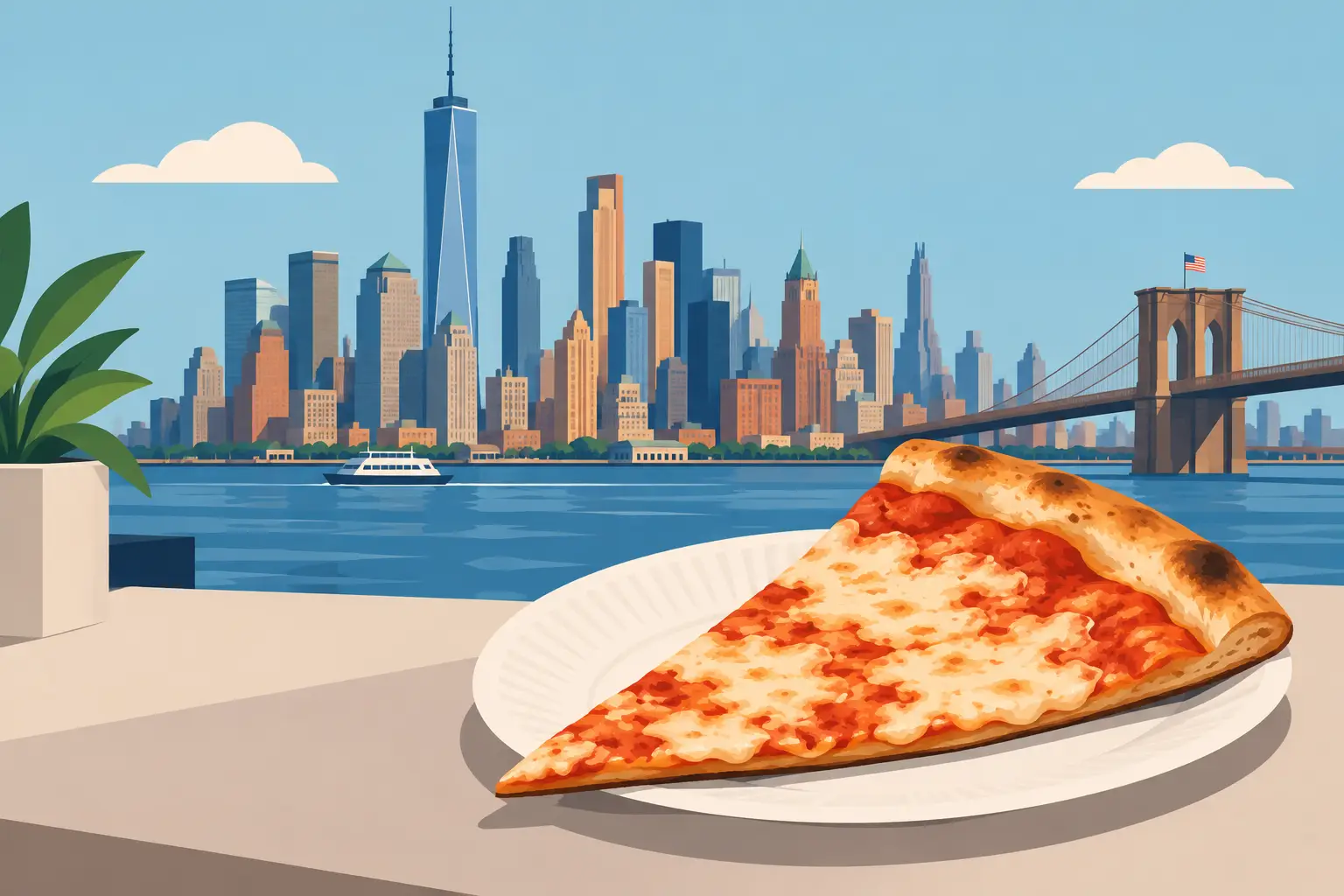
Lower Manhattan moves quickly, but a truly memorable pizza asks for a moment of attention. This Lower Manhattan pizza guide is for diners who want more than a convenient slice: people looking for dough with character, tomatoes with brightness, melted cheese in balance, and the unmistakable perfume of a pie baked at serious heat.
Pizza means different things on different blocks. A foldable New York slice has its place, especially between meetings or after a long walk downtown. But when the occasion calls for a meal shaped by Italian tradition, Neapolitan pizza offers something distinct: a soft, airy crust; a tender center; and a focused relationship between a small number of excellent ingredients. Knowing what to look for makes the choice far more rewarding.
What Defines a Great Lower Manhattan Pizza
The best pizza is not the one with the most toppings or the most dramatic cheese pull. It is the one where every decision supports the dough. In a traditional Neapolitan pie, the crust should rise at the edge into a light, blistered cornicione, while the center remains supple enough to carry tomato, cheese, and olive oil without becoming heavy.
That texture begins long before the oven. Flour, water, salt, and yeast may sound simple, but their timing, temperature, hydration, and fermentation demand precision. A naturally fermented dough develops flavor gradually. It should taste lightly wheaty and fragrant, not aggressively yeasty, and it should have enough structure to hold its shape while staying tender at the table.
Lower Manhattan offers every kind of pizza experience, from quick counter service to a full sit-down dinner. The right choice depends on your appetite and your expectations. If you are looking for a fast, crisp, oversized slice, speed and portability may be the priority. If you want a pie that reflects the discipline of Naples, give yourself the time for a freshly fired pizza and enjoy it when it arrives.
Start With the Dough
A pizza crust should never be treated as edible packaging. It is the foundation of the entire pie, and it reveals whether a kitchen is working with craft or shortcuts.
Fermentation Brings Flavor and Lightness
Long, natural fermentation gives dough time to mature. The result is not merely a larger rim. It is a crust with aroma, tenderness, and a more balanced bite. When dough is rushed, it can taste flat or feel dense. When it is handled well, the rim opens with air pockets and the center stays delicate beneath its toppings.
Look closely at the underside, too. A well-baked Neapolitan crust may show charred spots from intense heat, but it should not be blackened throughout or dry as a cracker. Those leopard-like marks add a gentle toastiness. They are evidence of heat used with judgment, not a substitute for proper fermentation.
For diners accustomed to crisp New York-style pizza, the softer center of a Neapolitan pie can be a surprise. That is not a flaw. It is part of the style, designed to be eaten hot and fresh, often with a knife and fork for the first few bites. The crust should be pliant, not soggy, and the sauce should remain lively rather than cooked down into sweetness.
Let the Ingredients Do Their Work
Great pizza does not need a crowded topping list. In fact, a simpler pie is often the clearest test of quality. A Margherita leaves nowhere to hide: tomato, mozzarella, basil, extra-virgin olive oil, and dough must all be in harmony.
Tomatoes should bring acidity and freshness, not a sugary, over-seasoned sauce. Mozzarella should melt into creamy pools without drowning the crust. Basil should smell green and peppery, while olive oil ties the ingredients together with fruitiness and depth. Imported Italian DOP-quality ingredients matter because provenance affects flavor, consistency, and the integrity of a traditional recipe.
This does not mean every pizza must be minimal. Seasonal vegetables, cured meats, mushrooms, spicy salami, and cheeses can all make beautiful additions. The question is whether they serve the pie. Heavy toppings can trap steam and weigh down the center, while carefully chosen ingredients create contrast without overwhelming the dough.
When ordering for a table, consider beginning with one classic pizza and one more expressive option. The classic pie establishes the kitchen’s standard. The second can introduce a richer cheese, a vegetable, or a touch of heat. It is a more thoughtful way to share than ordering several versions of the same overloaded combination.
Heat, Timing, and the First Bite
Neapolitan pizza is defined as much by the oven as by the recipe. High heat cooks a pie in a matter of minutes, setting the rim quickly while preserving moisture in the interior. That short bake is why fresh ingredients retain their identity. The mozzarella stays milky, basil remains aromatic, and tomatoes taste bright rather than muted.
Because the pizza is at its best immediately, timing matters. A pie that sits too long loses some of its contrast: the crust softens, cheese firms up, and steam changes the texture. Dine-in is the ideal format for experiencing a traditional Neapolitan pizza exactly as its pizzaiolo intended.
Takeout and delivery can still be deeply satisfying, especially for a Lower Manhattan dinner at home or an office lunch. Just choose pizzas with that reality in mind. A pie with fewer wet toppings generally travels better, and opening the box promptly helps prevent trapped steam from softening the crust. If you are ordering for a group, allow room for different appetites rather than assuming every guest wants the same style or topping.
A Lower Manhattan Pizza Guide for Gluten-Free Diners
For gluten-free diners, pizza should not mean accepting a dry crust, a frozen substitute, or an uncertain answer about cross-contact. A restaurant-quality gluten-free pie deserves the same attention to fermentation, texture, ingredient quality, and baking as every other pizza on the table.
The key distinction is safety. A gluten-free menu item is not automatically appropriate for a guest with celiac disease or a serious sensitivity. Ask how the dough is prepared, whether it is made in a separate environment, how ingredients are stored, and whether the kitchen has procedures to prevent flour from reaching the finished pizza. Clear, direct answers are a sign of a restaurant that understands the responsibility.
At Kesté, gluten-free Neapolitan pizza is prepared in a separate certified environment with strict anti-cross-contamination procedures, so mixed groups can share a genuine pizza dinner without asking one guest to settle for less. That standard changes the experience. It lets the whole table focus on flavor, conversation, and the simple pleasure of a hot pie arriving from the oven.
Choose the Experience, Not Just the Address
A good Lower Manhattan pizza meal can fit many occasions. It can be a quick lunch before returning to the office, a relaxed dinner after visiting downtown landmarks, or a gathering with friends and family who care about what is on the table. The setting should match the moment.
For a business meal or a date, a full-service restaurant gives the pizza room to be part of a complete experience, with antipasti, salads, wine, and dessert surrounding the pie. For a casual group, sharing several pizzas makes it easy to compare styles and accommodate different preferences. For celebrations, catering and private dining can turn a familiar food into something more personal, especially when the preparation carries a story and a standard.
If you are curious about the craft itself, a pizza-making class offers a deeper appreciation of what appears effortless. Stretching dough without tearing it, topping with restraint, and understanding the rhythm of the oven all reveal why traditional pizza is a discipline. The best pizzaioli make it look simple because they have practiced the details for years.
Order With a Pizzaiolo’s Mindset
The most satisfying order is often the most deliberate one. Start by deciding whether you want the clean, foundational flavors of a Margherita or the richer contrast of a specialty pie. Then think about the table: dietary needs, spice tolerance, appetite, and whether the pizza will be eaten immediately or travel across town.
Do not confuse abundance with generosity. A pizza made with restraint can feel more generous because every ingredient is recognizable and every bite stays balanced. Ask for recommendations when you are dining somewhere new, particularly if you are ordering gluten-free or feeding a mixed group. A knowledgeable team should be able to explain the dough, the ingredients, and the kitchen practices with confidence.
Lower Manhattan rewards people who pay attention. Between the rush of the streets and the weight of its history, a well-made pizza can create a small pause worth protecting. Find the pie that respects its dough, honors its ingredients, and welcomes everyone to the table, then eat it while it is still singing from the oven.